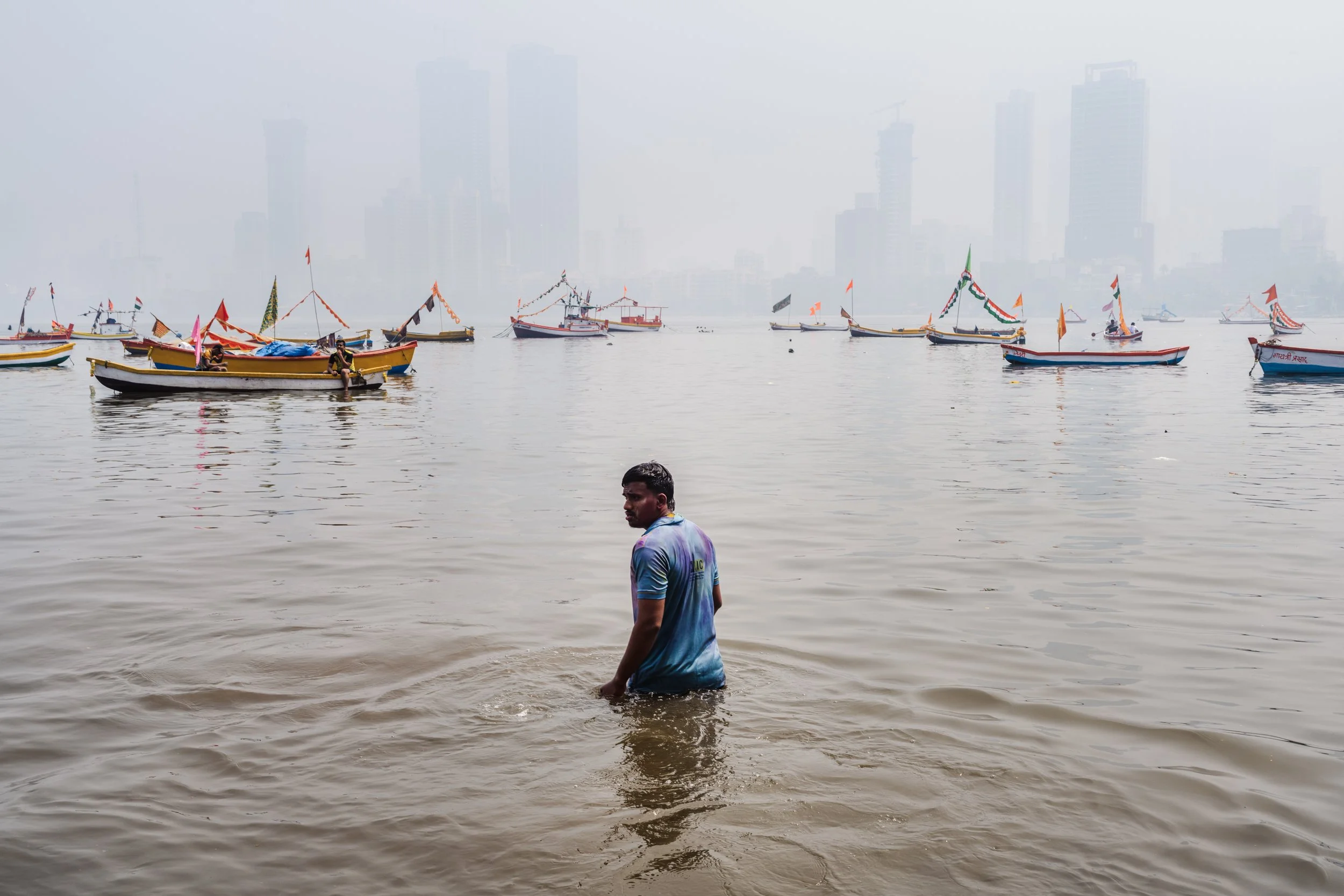
Yash Haldankan, 20 years old, fisherman from Worli, Mumbai. Over the past century, the city’s expansion has steadily reduced fishing grounds and restricted access to the sea, a pressure now intensified by the Coastal Road.
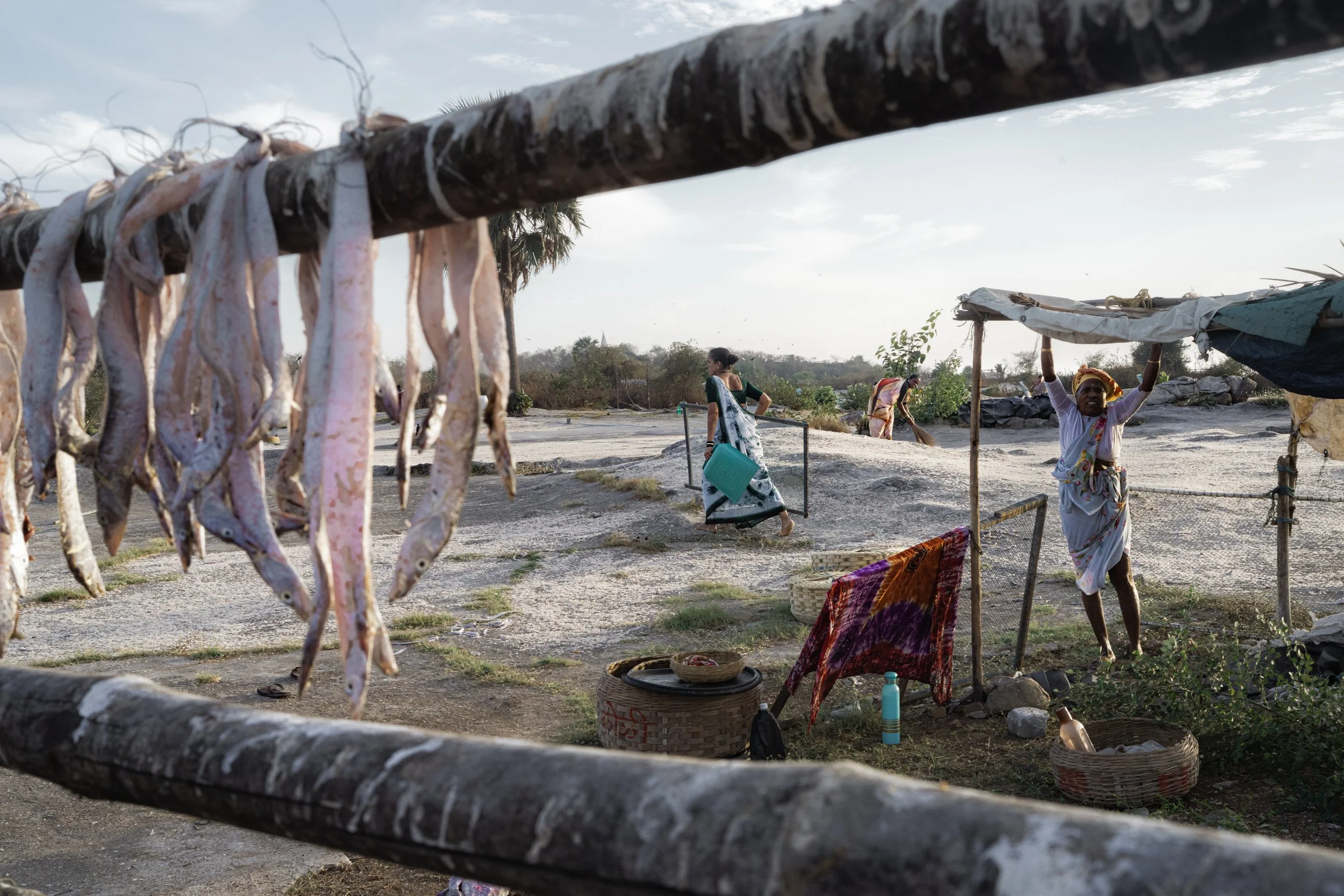
Koli women dry fish the traditional way, a labour-intensive process largely invisible in accounts of the city's fishing economy.
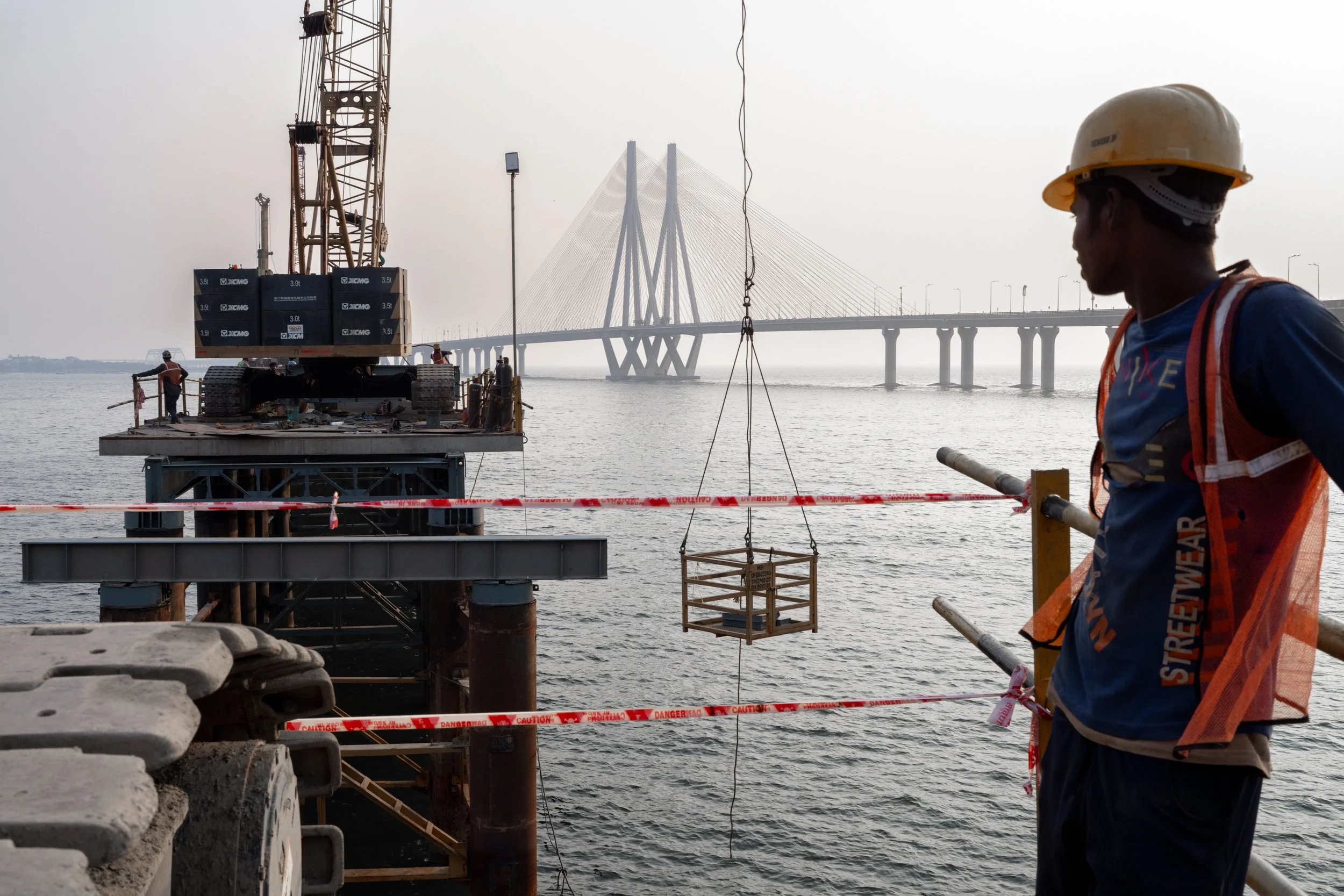
Workers stand on the rising span of Mumbai's Coastal Road, where the new infrastructure advances across reclaimed shoreline
Pillars in the Sea is an ongoing project documenting how Mumbai’s new coastal road widens the gap between rich and poor, further sidelines the Indigenous Koli community, and alters the city’s fragile coastline—all under the guise of development.
Now largely confined to state-classified slums, the Koli see their fishing grounds fragmented. Access is cut. The coastal road accelerates this loss, prompting younger generations to abandon the sea. Thus, a civilization that gave Mumbai its name dissolves within a generation.
Mangroves are essential as fish nurseries and storm barriers. Yet they are cleared and burned. Since 1991, Mumbai has lost 40% of its mangroves. In 2019, legal protections were amended. Construction could now slice through these forests. Meanwhile, the land mafia set fires at night. Protected areas became dried coastlines, now reimagined as real estate. Consequences quickly followed. On March 20, 2026, the Supreme Court approved felling 45,000 trees in the affected area. Compensatory replanting was ordered. Yet most new saplings—estimated at over 70%—died. Legal safeguards vanished just as bulldozers arrived.
The road—a €1.4 billion expressway for private cars—serves less than 10% of the city. One kilometer costs the same as Mumbai’s annual bus network budget. Contractors awarded major sections later bought tens of millions of euros in electoral bonds, redeemed by the ruling BJP, as revealed by the Supreme Court’s 2024 order. The road is a physical statement about who the city is rebuilt for—and who is left behind.
Opposition meets systematic pressure: activists face criminal charges, while citizens documenting clearances report confiscated devices and legal threats.
Pillars in the Sea documents infrastructure not just as construction, but as the erasure of ecosystems, livelihoods, and their visibility. To confront this, we must recognize what is lost and demand a more responsible approach to development.



Winner
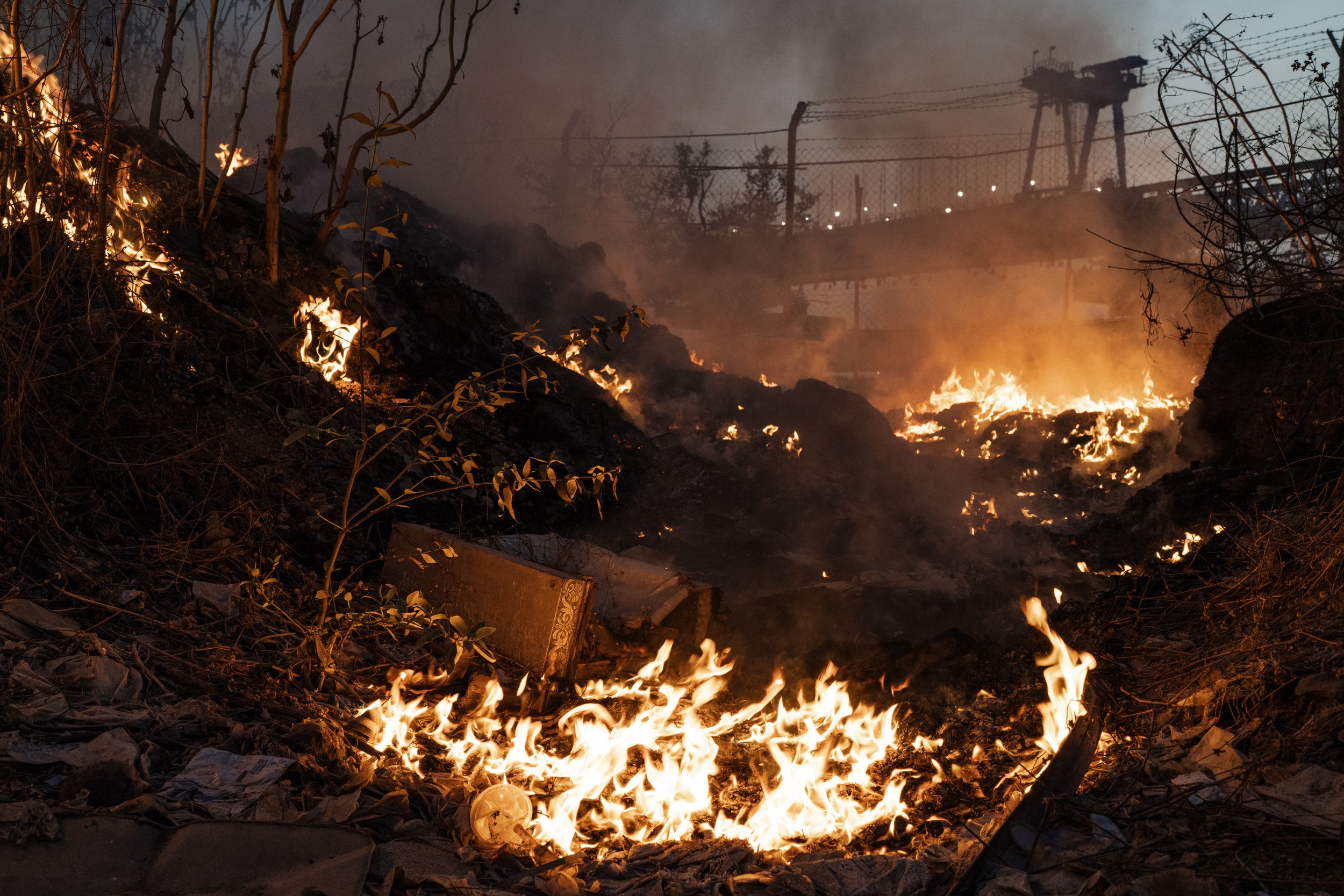
In a city where available land is extremely scarce and valuable, mangroves are often illegally burned to clear space cheaply and quickly. Firefighters say such incidents occur almost daily along parts of Mumbai's shoreline, despite strict coastal protection laws meant to safeguard these fragile ecosystems.
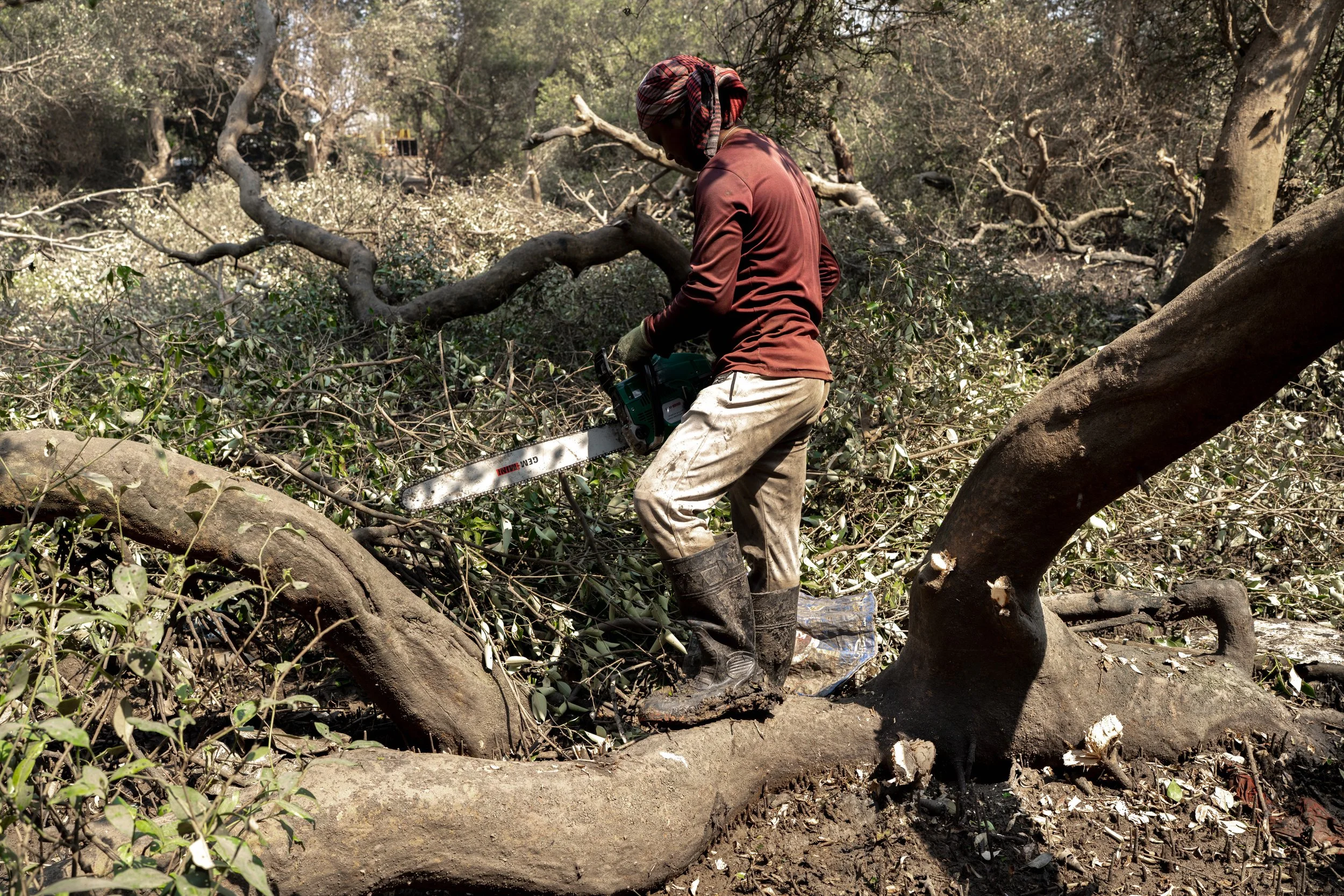
Since the 1970s, Mumbai has lost approximately 40% of its mangroves—much of it through encroachment and deliberate burning to clear land for development. Environmental groups and fire officials report repeated nighttime fires along protected coastal zones, often linked to land speculation. At the same time, sea levels along the Mumbai coast are rising by an average of 4.5 millimeters per year, according to the Indian National Centre for Ocean Information Services (INCOIS), compounding long-term risk.
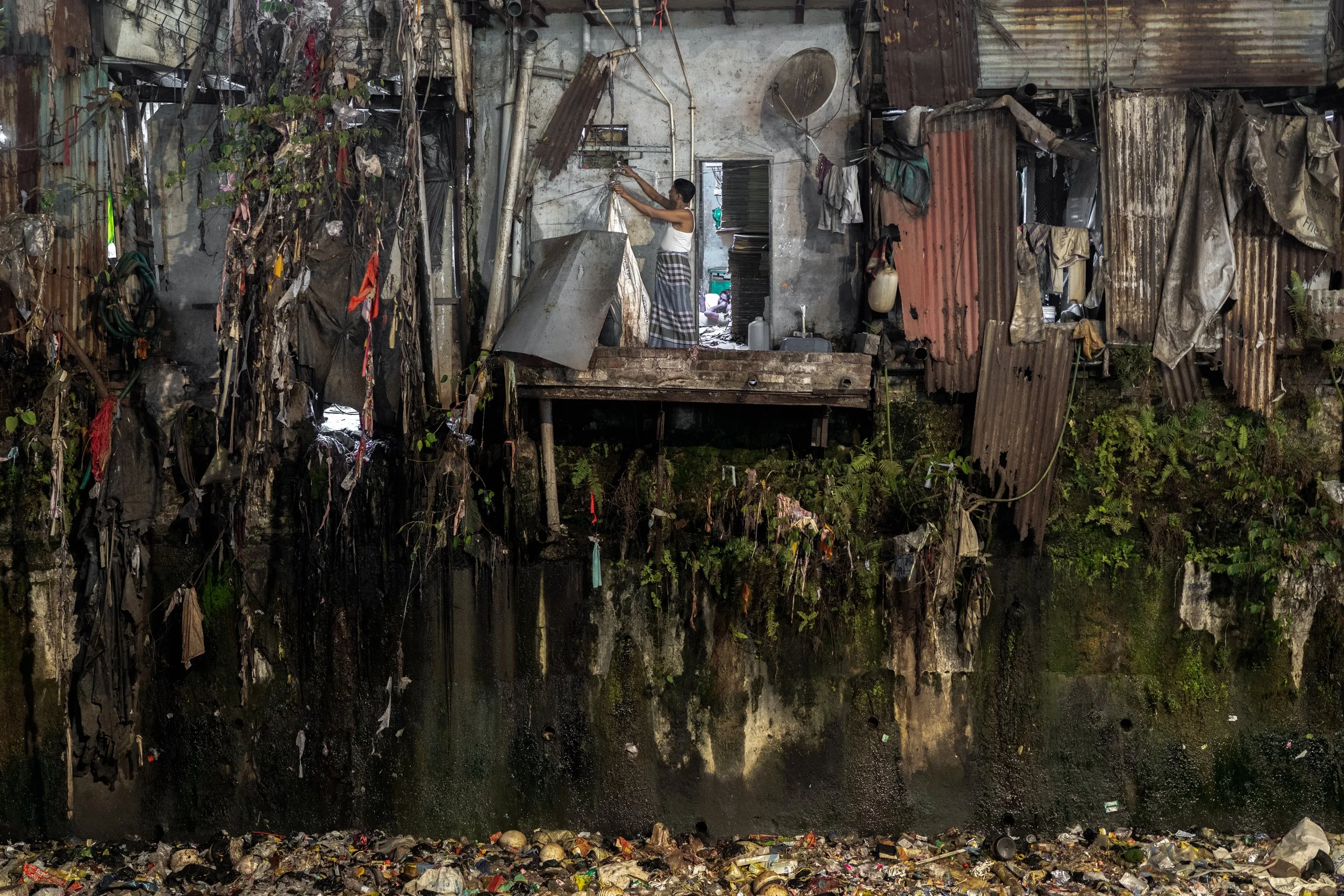
Climate migrants often end up in overcrowded slums like the one of Dharavi, facing pollution and poor services. They accept low-paying jobs, sometimes replacing local workers, which stirs tension. Meanwhile, Indigenous groups like Mumbai’s Koli fishermen struggle to hold on to their homes and traditions.